Mold Remediation
Professional Mold Remediation in King & Snohomish County
Full containment, HEPA air scrubbing, independent third-party clearance testing, and moisture source correction. Real prices, honest work.
- Containment and negative air pressure
- Removal of contaminated materials
- HEPA air scrubbing throughout the process
- Independent third-party clearance testing
- Moisture source identification and correction
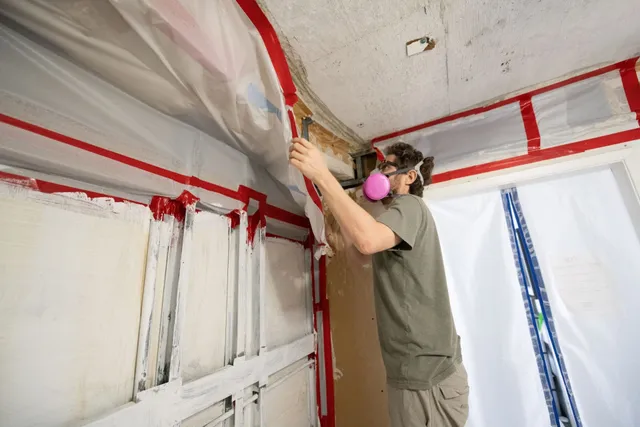
Green Attic LLC provides professional mold remediation for homes in King County and Snohomish County, WA. Our process includes full containment, HEPA air filtration, antimicrobial treatment, and independent third-party clearance testing. Most residential mold projects cost between $1,500 and $8,000 and take 1 to 5 days. We are licensed (GREENAL785CS), insured, and never run the clearance tests ourselves to ensure unbiased results.
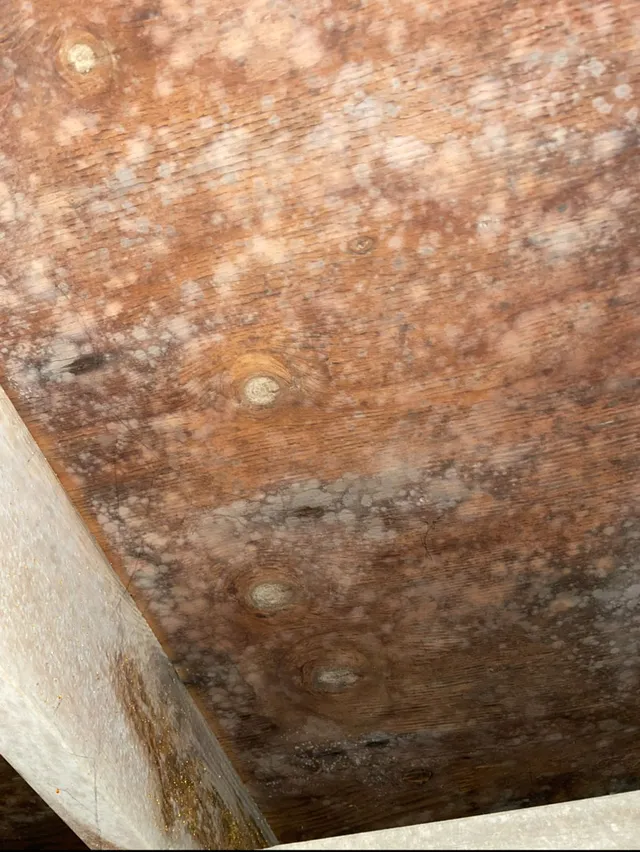
Thorough Assessment First
Every Project Starts With an Honest Inspection
Before any containment goes up or any materials come out, we inspect the affected area and document everything. We check adjacent rooms, look behind walls where possible, test moisture levels, and identify the water source feeding the mold.
You get a clear explanation of what we found, what needs to happen, and what it will cost. If the situation does not warrant professional remediation, we tell you that too.
What You Get
What Mold Remediation Actually Includes
Mold remediation is not just wiping surfaces with bleach. It is a controlled, multi-step process designed to remove contamination, clean the air, and prevent regrowth. Here is what is included in a standard project with Green Attic.
Assessment & Inspection
- - Visual inspection of all affected and adjacent areas
- - Moisture mapping to locate water sources
- - Documentation of mold growth extent and type
Containment Setup
- - Plastic sheeting barriers isolating the work area
- - Negative air pressure to prevent spore migration
- - Sealed HVAC registers in the containment zone
Material Removal
- - Removal of mold-contaminated drywall, insulation, and wood
- - Bagging and disposal per EPA guidelines
- - Salvageable surfaces cleaned to bare substrate
HEPA Air Scrubbing
- - Commercial HEPA air scrubbers run during the entire project
- - Captures airborne spores down to 0.3 microns
- - Multiple air changes per hour in the work zone
Antimicrobial Treatment
- - EPA-registered antimicrobial applied to all cleaned surfaces
- - Inhibits future mold growth on treated materials
- - Safe for residential environments after drying
Post-Remediation Testing
- - Independent third-party lab performs clearance testing
- - Air samples compared to pre-test baseline and outdoor controls
- - Written report documenting spore counts and pass/fail status
How It Works
Our Mold Remediation Process
Every mold remediation project follows the same sequence. We do not skip steps because cutting corners is how mold comes back. Here is what to expect from start to finish.
Initial Assessment
We visit your home and inspect every area where mold is visible or suspected. We check the affected space plus adjacent rooms, crawl spaces, and attics. You get a clear explanation of what we found and a written scope of work.
Independent Pre-Testing
We recommend that a third-party testing company collect air and surface samples before work begins. This establishes a baseline for spore counts and identifies the mold species present. The testing company works independently from us.
Full Containment
We seal the work area with plastic sheeting and set up negative air pressure using commercial air movers. HVAC registers in the zone are sealed. This prevents spores from spreading to clean areas of the home during removal.
Removal & Treatment
Contaminated materials are carefully removed, bagged, and disposed of. Salvageable surfaces are cleaned to bare substrate and treated with EPA-registered antimicrobial solutions. HEPA air scrubbers run throughout the entire process.
Moisture Correction
This is the step many companies skip. We identify and fix the moisture source feeding the mold, whether that means repairing a vapor barrier, improving ventilation, fixing a plumbing leak, or addressing drainage problems. Without this step, mold comes back.
Post-Remediation Verification
After work is complete, the independent testing company returns to collect new air samples. The lab compares post-remediation spore counts to the baseline and outdoor controls. You receive a written clearance report confirming the results.
If your crawl space needs a new vapor barrier or your attic needs insulation replacement after mold removal, we handle that as part of the same project. We also provide full attic cleanup and rodent proofing when those issues are connected to the mold problem. One crew, one scope, no need to coordinate between multiple contractors.
Hands-On Work
What the Work Actually Looks Like
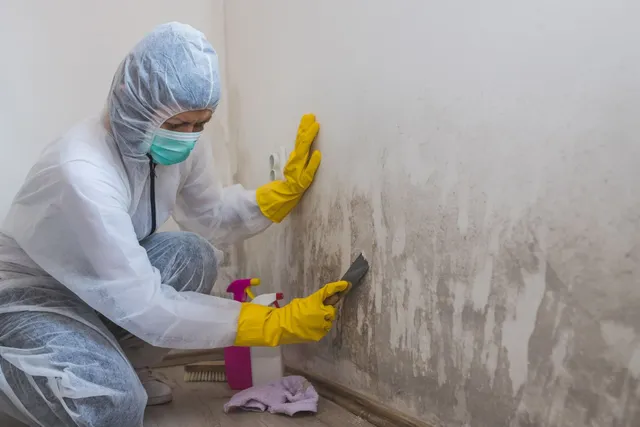
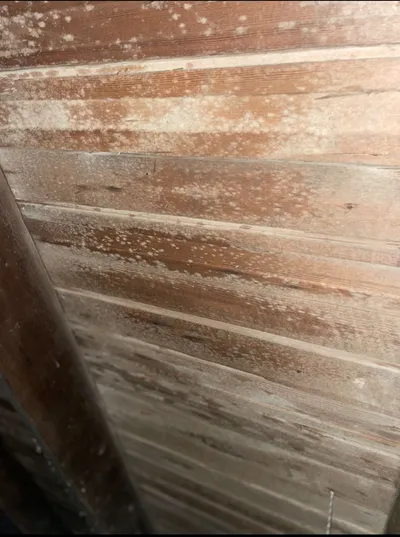
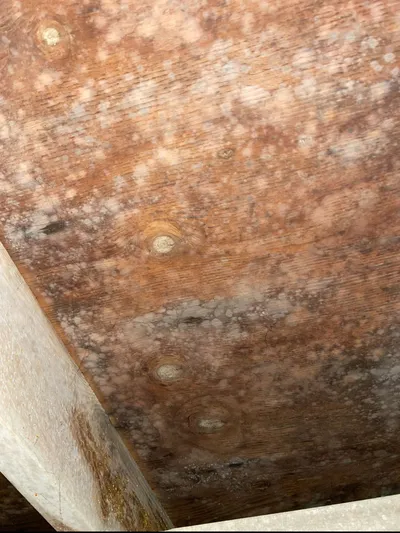
Mold remediation is physical, detail-oriented work. Our crew works in full PPE inside sealed containment zones with HEPA air scrubbers running continuously. Every contaminated surface is cleaned to bare substrate, treated with antimicrobial solution, and verified before we move on.
This is not spray-and-walk-away work. We take our time to do it right because cutting corners on mold remediation is how problems come back.
Pricing
Mold Remediation Cost
We believe you should know what a project costs before you commit to it. Here is a straightforward breakdown of mold remediation pricing in our service area.
Typical Residential Range
$1,500 - $8,000
King County & Snohomish County - based on project scope
What Impacts Cost
Size of affected area. A 50-square-foot patch behind a bathroom wall costs less than 400 square feet of crawl space contamination. Square footage is the biggest cost driver.
Location in the home. Crawl spaces and attics involve more labor and setup. Wall cavities require demolition and reconstruction. Accessible spaces like garages cost less to remediate.
Material removal extent. If drywall, insulation, or subflooring needs to come out, the cost goes up. Surface-level mold on framing that can be cleaned in place is less expensive.
Moisture source repairs. Simple fixes like sealing a vapor barrier are inexpensive. Larger repairs involving ventilation improvements, drainage, or plumbing add to the total.
Replacement materials. If new insulation, vapor barriers, or drywall need to be installed after removal, those materials and labor are part of the final cost.
Testing fees. Independent pre- and post-remediation testing is done by a separate company. Their fees are separate from our remediation quote, typically $300 to $600 for both rounds.
We provide a written estimate after inspecting your home. The number we quote is the number you pay, unless we uncover something unexpected and discuss it with you first.
Our Approach
Why Independent Testing Matters
Here is something worth knowing about the mold remediation industry: some companies do their own testing. They tell you the mold is bad, they do the work, and then they tell you the mold is gone. You are relying on the same company for the diagnosis and the verification. That is a conflict of interest.
We do it differently. We recommend that a third-party testing company handle the mold inspection and air sampling, both before and after our work. The testing company is independent. They have no financial interest in whether or not you hire us for remediation. If the pre-test shows you do not actually need professional remediation, we will tell you that. We would rather be honest and earn your trust than sell you a job you do not need.
Post-remediation testing gives you documented proof that spore counts are back to acceptable levels. It is your verification that the job was done correctly, backed by lab data from an independent source. Not just our word for it.
This approach costs the same as having us do everything in-house. The difference is that you get an unbiased result. When a third-party lab signs off on the clearance report, you can trust the numbers.
Health Information
Health Risks of Indoor Mold
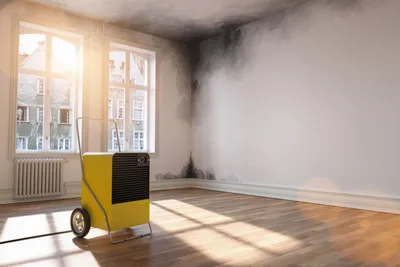
We are not doctors, and we are not going to try to scare you into hiring us. But mold in your home is a legitimate health concern, and you should have the facts so you can make an informed decision.
Respiratory irritation
Coughing, wheezing, and shortness of breath are common responses to elevated indoor mold spore counts, even in people without pre-existing conditions.
Nasal congestion and sinus problems
Chronic sinus irritation, runny nose, and postnasal drip that do not respond to typical allergy medications may be related to indoor mold exposure.
Eye, skin, and throat irritation
Red or watery eyes, skin rashes, and a scratchy throat can result from contact with mold spores or mycotoxins in the air.
Allergic reactions
People with mold allergies can experience intensified symptoms indoors. Reactions range from mild (sneezing, itching) to severe in sensitized individuals.
Asthma flare-ups
The CDC recognizes indoor mold as a trigger for asthma attacks, particularly in children and the elderly. If someone in your household has asthma, mold exposure can make episodes more frequent and more severe.
Mycotoxin exposure from certain species
Black mold (Stachybotrys chartarum) and a few other species produce mycotoxins that can cause headaches, fatigue, and more serious health effects with prolonged exposure. Lab testing is the only way to confirm which species you are dealing with.
The bottom line: any mold growing indoors at elevated levels should be addressed. The species matters less than the fact that you have an active moisture problem and airborne spores in your living space. If you are concerned, the right first step is getting a professional inspection, not guessing based on what you see.
Where We Work
Mold Remediation Service Areas
The Pacific Northwest climate creates ideal conditions for indoor mold. Long rainy seasons, moderate temperatures, and high ambient humidity mean that crawl spaces, attics, and poorly ventilated areas in homes throughout King County and Snohomish County are especially vulnerable. We serve homeowners across the region.
South Snohomish County
Not sure if we cover your area? Request a free estimate and we will let you know.
Common Questions
Mold Remediation FAQ
How much does mold remediation cost in the Seattle area?
Most residential mold remediation projects in King County and Snohomish County run between $1,500 and $8,000. The price depends on the size of the affected area, the location within the home (crawl space, attic, behind walls), the extent of material removal, and whether moisture source repairs are needed. We provide a written estimate after an on-site inspection so you know the exact number before any work begins.
Do I need a mold test before remediation starts?
We recommend it. An independent mold test from a third-party lab identifies the species present, measures spore concentrations, and gives you a baseline for air quality. We do not run the tests ourselves because we believe the company performing the removal should not also be the one deciding whether removal is needed. That separation keeps everyone honest.
How long does mold remediation take?
Most residential jobs take 1 to 5 days. A small section of crawl space mold might wrap up in a single day. A larger project involving multiple rooms or heavy contamination behind walls could take a full work week. We provide a clear timeline before starting so you can plan accordingly.
Is black mold dangerous?
Black mold (Stachybotrys chartarum) produces mycotoxins that can cause respiratory issues, headaches, and other health problems with prolonged exposure. That said, any mold growing indoors at elevated levels should be addressed. The color of the mold does not tell you how harmful it is. A lab test is the only reliable way to identify the species and assess the risk.
Will mold come back after remediation?
It can if the moisture source is not corrected. Mold needs water to grow. That is why every project we do includes identifying and addressing the moisture problem, whether it is a damaged vapor barrier, poor ventilation, a plumbing leak, or inadequate drainage. Fixing the root cause is the only real long-term solution.
Does homeowner's insurance cover mold removal?
It depends on your policy and the cause of the mold. If the mold resulted from a sudden covered event like a burst pipe, many policies will cover part or all of the remediation. If the mold grew over time due to deferred maintenance or ongoing moisture issues, most policies will not cover it. We recommend calling your insurance company before scheduling work so you know where you stand.
Can I remove mold myself?
Small patches on hard, non-porous surfaces (under about 10 square feet) can sometimes be handled with proper cleaning and protective equipment. Anything larger, anything behind walls, or anything in a crawl space or attic should be handled by a professional. Disturbing a large mold colony without proper containment can spread spores throughout the home and make the problem significantly worse.
Do you handle crawl space mold?
Yes. Crawl space mold is one of our most common jobs. The Pacific Northwest climate creates near-perfect conditions for mold under homes, especially in crawl spaces with damaged vapor barriers or standing water. We remove the mold, address the moisture source, and can install new vapor barriers or insulation as needed. See our crawl space services page for more details.
What does post-remediation testing verify?
Post-remediation testing, performed by an independent third-party lab, measures airborne spore counts and compares them to the baseline pre-test and outdoor control samples. If the indoor spore counts are at or below normal levels, the remediation passes clearance. You receive a written report documenting the results.
How do I know if I have a mold problem?
Common signs include visible mold growth on surfaces, a persistent musty or earthy smell, unexplained allergy symptoms that improve when you leave the home, and visible water damage or staining on walls, ceilings, or floor joists. If you see condensation on windows frequently or have a crawl space that smells damp, those are indicators worth investigating.
Do you work on attic mold too?
Yes. Attic mold is common in the Pacific Northwest, often caused by inadequate ventilation or roof leaks that allow moisture to accumulate on the underside of the roof sheathing. We remediate the mold, address the ventilation or leak issue, and can replace damaged insulation as part of the same project.
What is the difference between mold removal and mold remediation?
Mold removal refers to physically taking out mold-contaminated materials. Mold remediation is the full process: assessment, containment, removal, air scrubbing, antimicrobial treatment, moisture correction, and verification testing. Remediation solves the problem. Removal alone, without addressing the moisture source, usually leads to mold returning.
Ready for a straight answer?
Tell us what is going on. We will give you an honest assessment and a written estimate. No obligation, no pressure.
(800) 931-1938No obligation, no pressure
Get a written estimate and decide on your own timeline
We respond within one business day
Most inquiries get a same-day response
Licensed and insured
WA License #GREENAL785CS
4.9 stars from 102 reviews
Real homeowners across King and Snohomish County